
Impact Lab
Real problems. Real research.
Real-world impact.
Our mission
Scientia’s Impact Lab gives students the skills, confidence and opportunity to address real-world challenges through hands-on research.
Working alongside experienced mentors, students develop practical skills in coding, engineering, electronics, 3D design and scientific research then apply them to open-ended problems with real-world relevance.
From detecting microplastics in Lake Geneva to designing assistive technology, students experience how knowledge and creativity can be put to meaningful use.
How it works
From idea to impact
Every project starts with an idea or question. Students encounter uncertainty, test ideas, face setbacks to learn how research and problem-solving work in practice.
1
Identify
Identify projects open to new students and match them to your child’s interests and level.
2
Investigate
Conduct research, gather knowledge and explore approaches.
3
Design & build
Turn ideas into prototypes through design, coding and experimentation.
4
Test & improve
Conduct experiments, collect data, learn from unexpected results and refine designs.
5
Document & share
Record findings, share lessons learned and map out next steps.
Who it’s for
Curious minds bringing ideas to life, at every age and every level
Students of all ages, abilities and backgrounds are welcome, and no prior technical experience is required. Some arrive with a passion for science. Others may find science challenging but come alive with more practical, hands-on learning that goes beyond the textbook.
Students are invited to join existing projects, with work matched to their age and skills. Younger students start by building and programming custom LEGO robots, designing and printing parts in 3D, and getting introduced to the fundamentals of electronic circuits. Playful challenges, like hunting for hidden “little monsters”, let them practise the same thinking as the older team of students developing tools to detect landmines. Whatever their age or starting point, students leave with practical skills, confidence in their own ideas, and a sense that science can make a difference in the world.
Not sure where your child would fit? Get in touch and we’ll talk through the projects open now.

Our work in action
Projects with a purpose
From healthcare and mine-detection technology to environmental research and sustainable design, our projects bring students together to tackle challenges that matter.
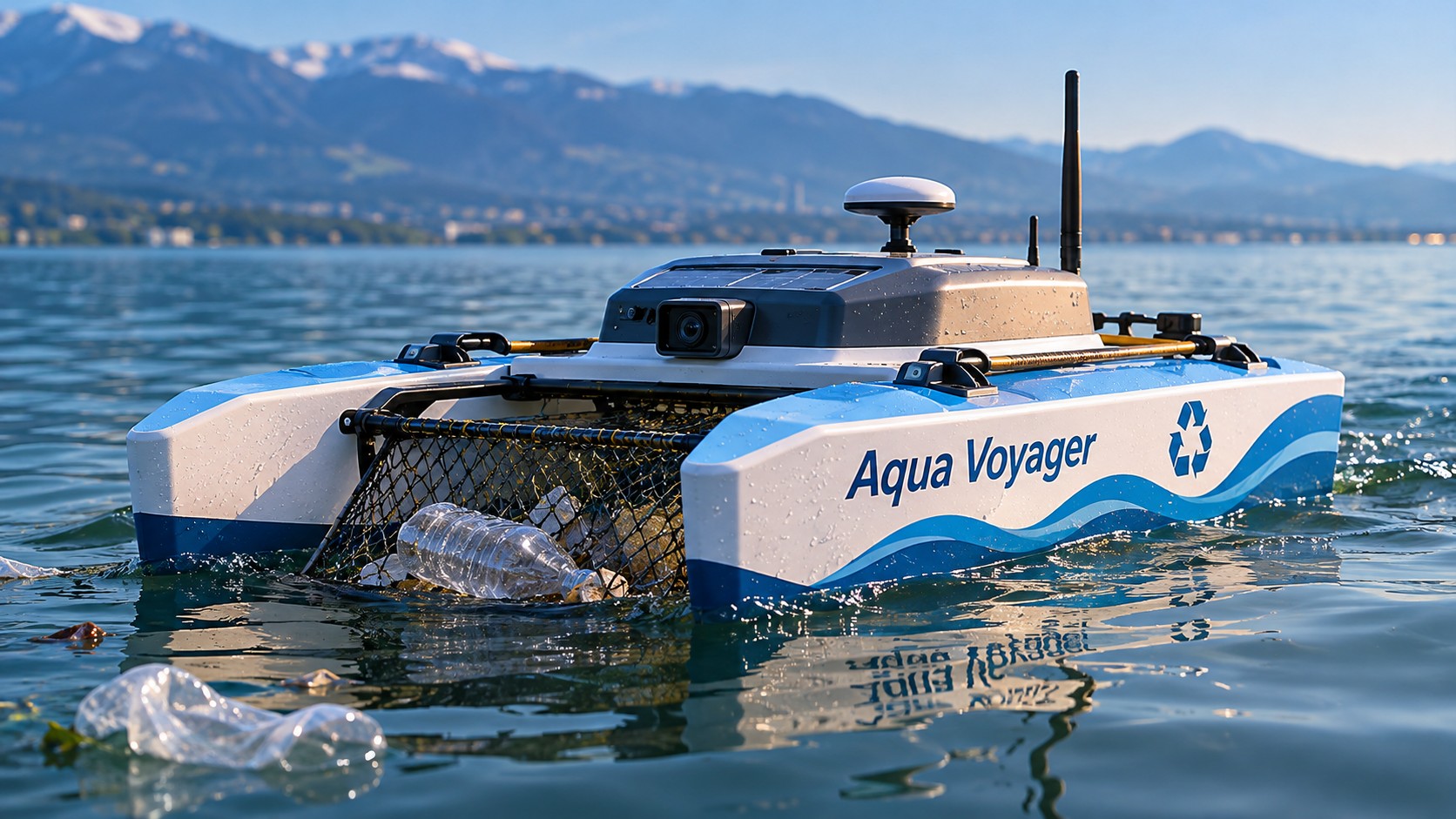
AquaVoyager
Environment | Lake Geneva
A catamaran about one metre long, designed and 3D printed by our students. It starts out remote-controlled, with the goal of sampling the lake on its own and, in time, using Nile red staining and image analysis to find microplastics. The team will work with EPFL once the prototype is ready.

Mine detection
Humanitarian | Partnership with UCL
Students are developing a low-cost, AI-based system to detect small plastic “butterfly” landmines, using selective heating and thermal imaging. Early results look promising for use on low-cost drones, giving communities an affordable alternative to expensive imported equipment.


CO2 sensor
Health | Geneva
Students are building a compact, affordable, locally made detector that spots vaping in real time and reports to an app. Future versions could track broader indoor air quality for schools and families.

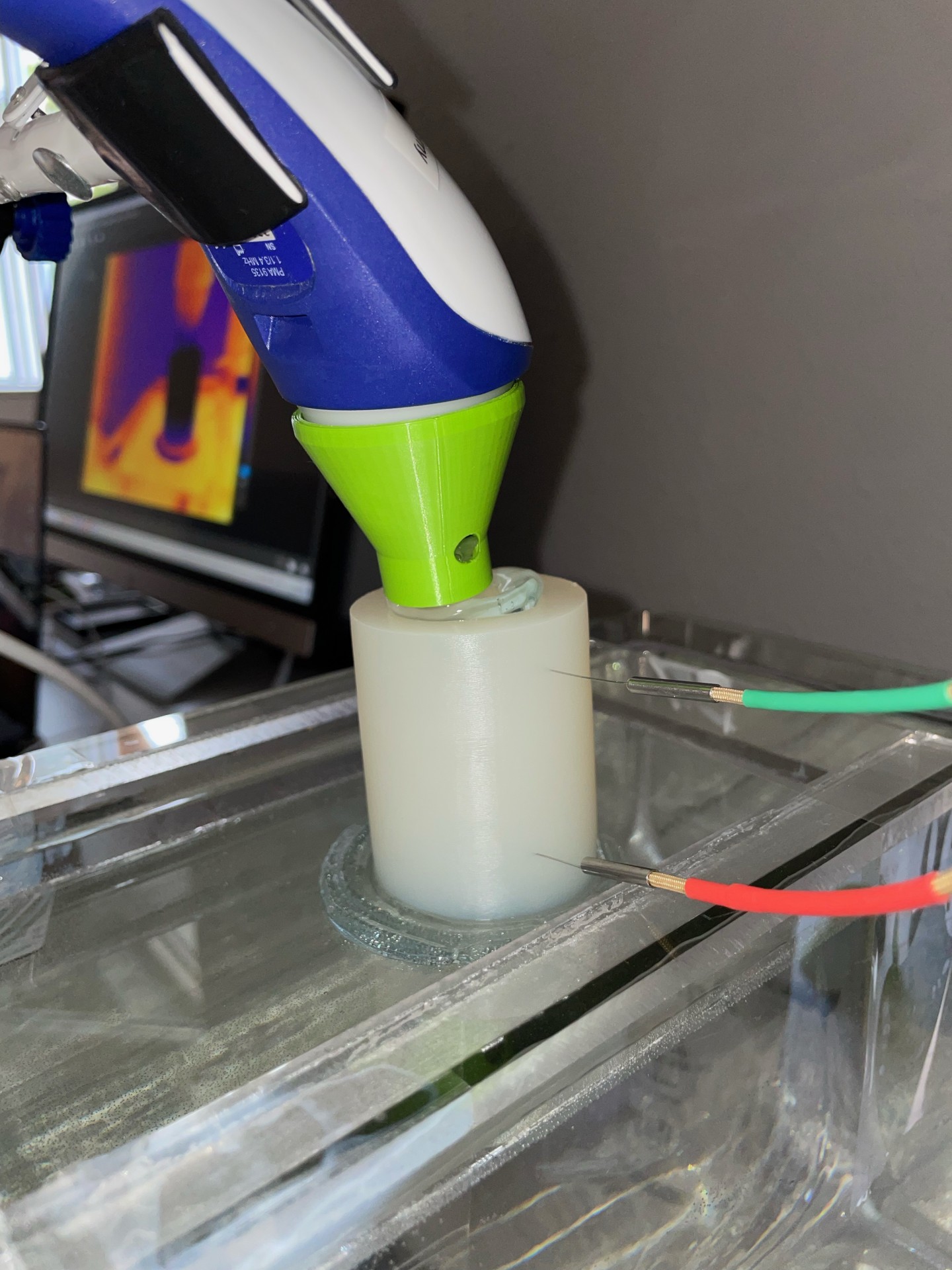
Ultrasound hyperthermia
Health | With University of Zurich
Students are testing low-cost ultrasound devices that gently heat tissue to improve drug uptake in cancer treatment. They work with agar gels and simulations to explore how affordable hyperthermia could reach more patients.
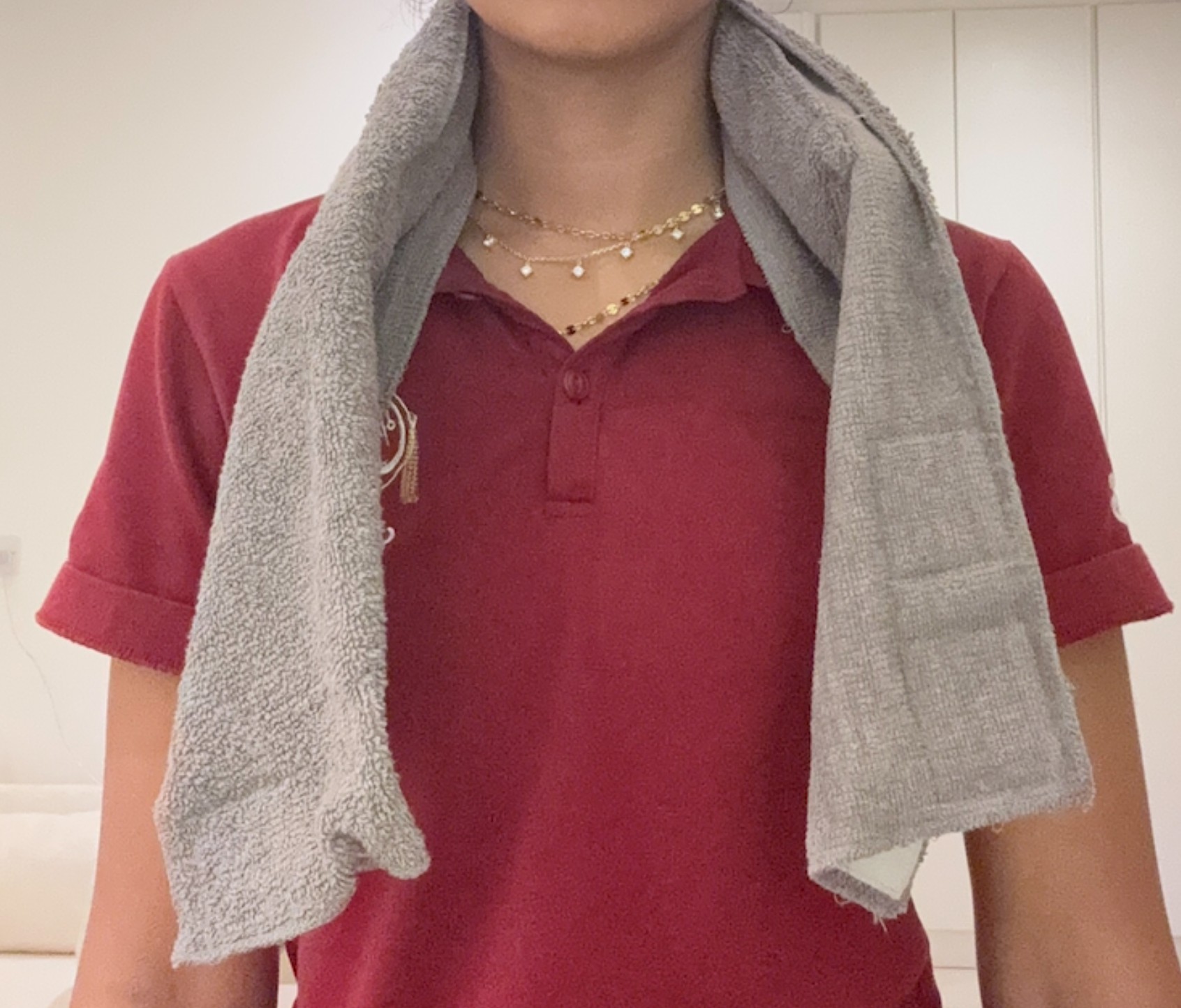
HeatGuard cooling scarf
Climate | Kuwait
Our team is supporting high school students in Kuwait to design a cooling scarf that uses phase-change materials and colour-changing pigments. It makes heat risk visible and provides active cooling for workers in extreme temperatures.
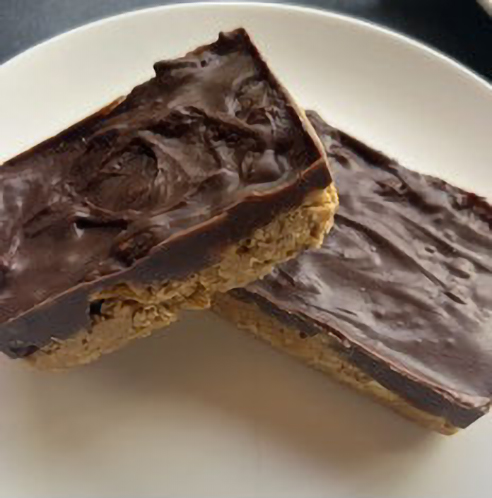
Snack Lab
Sustainability | Jordan
A new kind of snack bar with a fun texture and a biodegradable wrapper. Students blend food science, business and sustainability to take on plastic pollution.
Inside the Impact Lab
New ideas, projects in progress and discoveries along the way. Follow what our students are working on, what we’re learning and where we’re headed next.
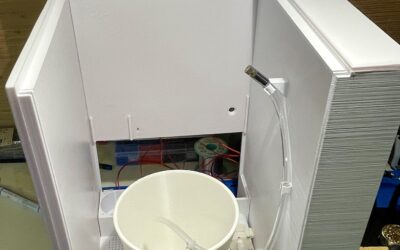
Can technology help plants grow better?
How can technology help plants grow in more controlled conditions? Over the past year, I’ve been developing BioBox, an automated greenhouse designed to manage the conditions around individual potted plants.
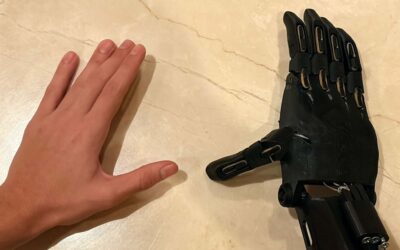
Can AI help make prosthetic hands more accessible?
Upper-limb loss affects millions of children worldwide, with the largest access gap in low-resource and humanitarian settings.